Want to start your own e-commerce business, but stock storage, planning, and organising feel like too much? You've probably heard of dropshipping. But what does it actually mean, and how does this way of selling work?
What is dropshipping?
Dropshipping is an e-commerce model that lets a business sell products without managing storage or logistics. It makes running an online store easier for a first-time entrepreneur and lowers the potential risks.
This model is becoming increasingly popular, since it lets entrepreneurs focus on marketing and customer service, while third parties handle the storage.
Pay Later with ESTO
Keep your work-life balance in check with Pay Later from ESTO.
How does dropshipping work?
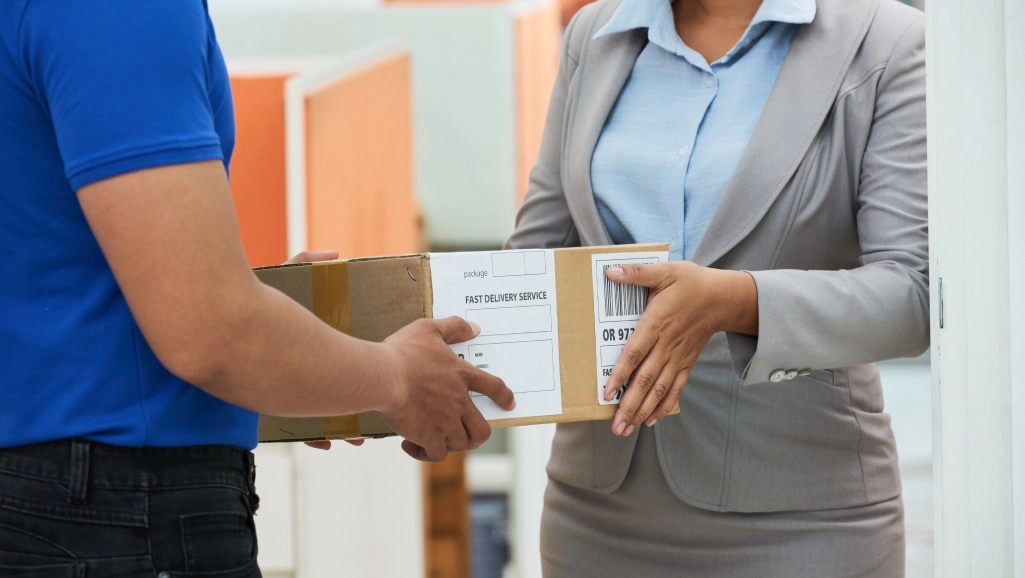
The dropshipping model is defined by its simplicity. A customer places an order at the online store, the store then passes the order and the customer's details on to a supplier, who ships the product straight to the customer.
This lowers the company's costs and lets the entrepreneur focus on other important areas of the business.
This model lets stores avoid the storage and logistics costs typical of traditional retail. Some local companies also offer storage services, so dropshipping gives you the option to focus purely on the local market.
By focusing on the local market, businesses can offer several advantages to their customers. For example, faster delivery times or tighter quality control over products. On top of that, a focus on the local market lets you better understand the needs and preferences of nearby customers, which helps build a strong customer base and better relationships with buyers.
How do you find the right products to sell?
Finding your niche and products is one of the first and most important steps in the dropshipping business model. Choosing a niche helps reduce competition and better understand the needs of your target audience.
Popular online platforms like AliExpress, Oberlo, or SaleHoo offer a wide selection of products across various categories. This lets you discover and test different manufacturers and pick the best products for your chosen niche.
Spend enough time researching suppliers to ensure your customers' satisfaction. Properly selected manufacturers will let you guarantee high-quality products and convenient delivery times. And it's precisely by building trust among customers that you'll build a successful, sustainable business.
And of course, to understand which products are currently popular and through which channels you should be selling and promoting your products, don't forget to keep an eye on market trends. Also pay attention to customer feedback so you know what you can improve in your business.

What should you pay attention to when setting up your online store?
Shopify and WooCommerce are two popular e-commerce platforms that work great for a dropshipping business. Both come with built-in tools that make it easier to set up and manage an online dropshipping business.
For example, you can use integrations that help automate order management, inventory tracking, and customer relationships. By using the available tools wisely, you can automate the entire administrative side and spend the time you save on marketing your products.
Of course, offering customers flexible payment options is essential too. For example, ESTO's Pay Later payment method lets customers get the product now and pay for it later. The buyer can pay for an item in one go or split the amount into instalments that suit them. This kind of flexibility gives customers more freedom to shop, while ensuring higher revenue for your business.
Drawbacks of dropshipping
Unfortunately, no business model is perfect. While dropshipping offers convenience and lower risk, this way of selling does come with certain downsides.
Compared to traditional retail, margins can be lower, since products are bought one at a time. On top of that, this method doesn't always guarantee high product quality, since the seller has no way to physically inspect the product's condition. As a result, the number of returns can grow, and there's a risk of more customers ending up dissatisfied with quality.
Dropshipping can also create challenges when it comes to customer service. For example, if a product is delayed or a customer receives something other than what they ordered, you'll need time to communicate with the supplier, while the customer waits longer for your response.
Dropshipping often comes with higher shipping costs or difficulties tracking warehouse stock. Product packaging also depends on the supplier, so you can't always guarantee a pleasant shopping experience.
Despite these drawbacks, dropshipping is a great opportunity to start an e-commerce business with very low upfront investment. For this business to deliver value for both you and your customers, we recommend doing thorough research and preparing properly for this type of trade.
Read more on our blog: How to increase sales in your online store?